
Subsidence Advice & Insights
Expert guidance on subsidence issues, prevention, and repairs for Southern England homeowners

Bath Property Owners: World Heritage Beauty on Complex Geology
Bath’s World Heritage status celebrates its architectural magnificence. But Georgian splendour sits on challenging geology—limestone, clay, and historic hot springs creating unique foundation problems. If you own property in Bath, Batheaston, Bathford, or surrounding areas, understanding your ground conditions isn’t optional. Bath’s geological setting: Jurassic limestone: Bath Stone (Oolitic Limestone) makes the city beautiful. But […]

Bristol’s Unique Subsidence Challenge: Why Our City Faces Different Foundation Risks
Bristol isn’t Essex. We’re not on London Clay. But that doesn’t mean we’re safe from subsidence—it means we face different, often more complex challenges. If you own property in Bristol, Bath, South Gloucestershire, or North Somerset, understanding your local geology is essential. Bristol’s geological complexity: No single soil type: Unlike clay belt areas with uniform […]
Bedminster and Southville: Bristol’s Victorian Terraces on Clay Soil
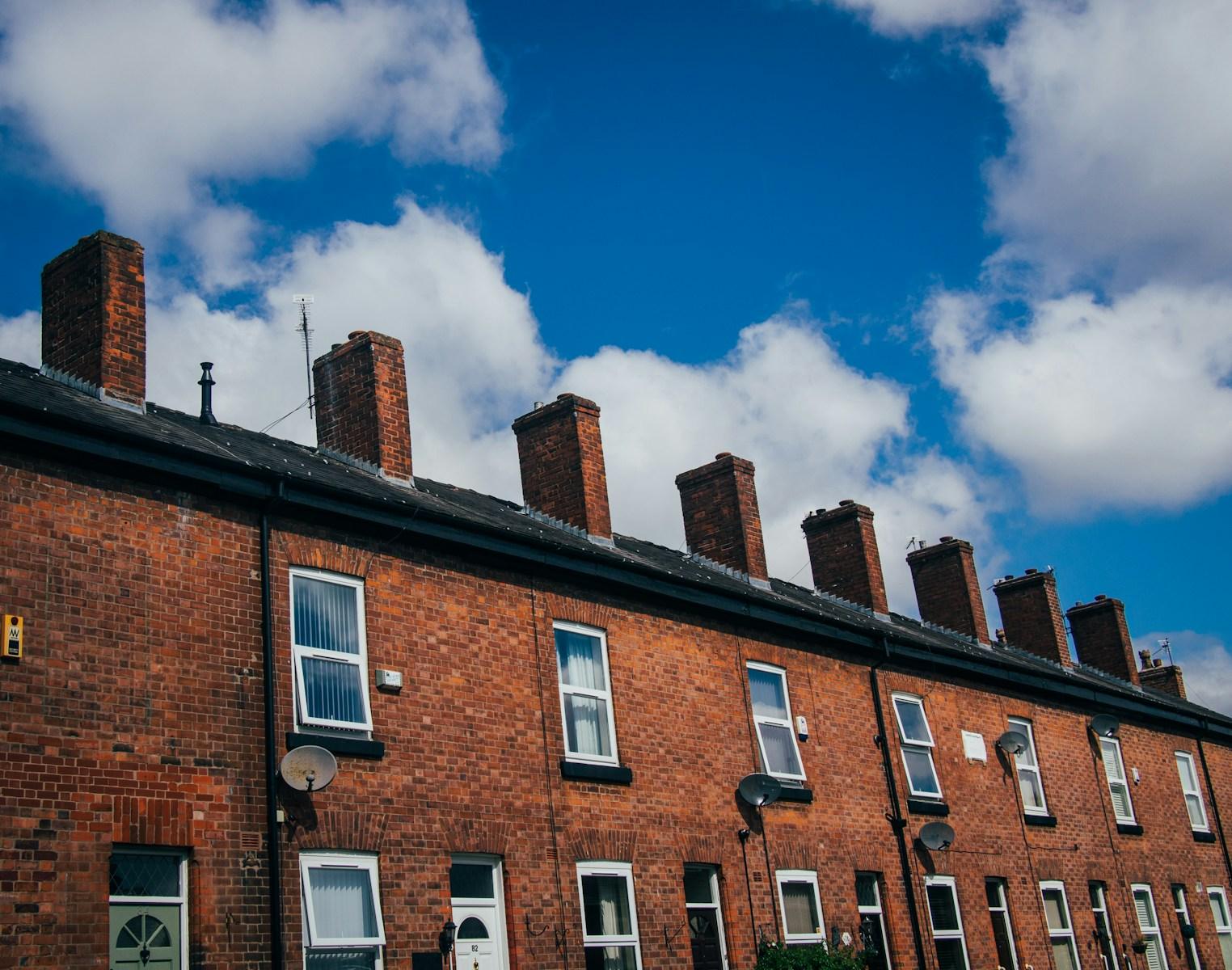
While Clifton deals with limestone and Bath handles World Heritage constraints, Bedminster and Southville face a different challenge: classic clay soil subsidence in Victorian terraced housing. If you own property in Bedminster, Southville, Ashton, or Bower Ashton, your subsidence risks mirror Essex and Kent more than Clifton. Bedminster and Southville geology: Mercia Mudstone: Clay-rich formation […]

Bristol Harbourside and Temple Quarter: Modern Developments on Made Ground
Bristol’s waterfront regeneration created stunning modern developments. But Harbourside, Temple Quarter, and Wapping Wharf sit on made ground—and that brings settlement challenges distinct from Victorian property subsidence. If you own or are considering buying a modern apartment or house in these areas, understanding made ground issues is essential. What is made ground? Historic fill material: […]

Subsidence Insurance in Bristol and Bath: What the Complex Geology Means for Your Policy
Bristol and Bath’s variable geology creates unique insurance challenges. Your policy terms, excess, and claims process depend heavily on your specific location and property type. Here’s what Bristol and Bath homeowners need to know about subsidence insurance. How geology affects your insurance: Clifton and Redland (limestone): Higher excesses (£1,500-2,500 typical). Some insurers exclude limestone void-related […]
Clifton and Redland Homeowners: Living on Bristol’s Beautiful but Problematic Limestone
Clifton and Redland represent Bristol’s most desirable addresses. Georgian crescents, Victorian villas, leafy streets, and stunning views. They also sit on Carboniferous Limestone—and that creates unique foundation challenges. If you own property in Clifton, Redland, Cotham, or Westbury-on-Trym, understanding limestone subsidence is essential. How limestone differs from clay subsidence: Clay subsidence: Gradual. Seasonal patterns. Cracks […]

Bristol Subsidence Expands Team and Services Following 40% Growth in Client Enquiries
FOR IMMEDIATE RELEASE Bristol Subsidence is delighted to announce significant business expansion following a 40% increase in client enquiries over the past 12 months. The growth reflects rising awareness of subsidence risks across Bristol, Bath, South Gloucestershire, and North Somerset as climate change intensifies ground movement challenges for property owners. Expansion highlights: Specialist structural engineers: […]

Bristol Tree Management Guide: Protecting Victorian Properties from Root Subsidence
Bristol prides itself on being a green city. We love our urban forest—street trees, park trees, garden trees. But on clay soil (south Bristol) or near limestone (Clifton), trees cause subsidence. Here’s your guide to balancing Bristol’s green ambitions with foundation protection. Why Bristol trees cause subsidence: Clay areas (Bedminster, Southville, Knowle, Hartcliffe): Tree roots […]

Kingswood and East Bristol: Living with Historic Coal Mining Legacy
Kingswood, Mangotsfield, Staple Hill, and Warmley face a subsidence risk many Bristol homeowners don’t recognise: historic coal mining. The Bristol coalfield was extensively mined from medieval times through to the early 20th century. Shallow workings exist beneath thousands of east Bristol properties—and they still cause subsidence today. Understanding coal mining subsidence: Different from clay or […]

The Bristol Homeowner’s Subsidence Prevention Checklist: Location-Specific Guidance
Bristol and Bath’s variable geology means subsidence prevention varies by area. What works in Clifton doesn’t apply in Bedminster. Mining areas need different approaches than limestone properties. Here’s your location-specific prevention strategy. For ALL Bristol and Bath properties: Annual spring inspection (April/May): ☐ Photograph all internal walls (same locations annually for comparison) ☐ Photograph external […]
Selling Your Bristol or Bath Property: Subsidence Disclosure Requirements
You’re selling your Bristol or Bath property. You’ve had some cracks. Perhaps an engineer visited. Maybe there was monitoring or repairs. What must you disclose? Get this wrong and face legal action after sale. Here’s what Bristol and Bath sellers need to know. Legal disclosure obligations: TA6 Property Information Form: Standard seller questionnaire. Key questions […]