
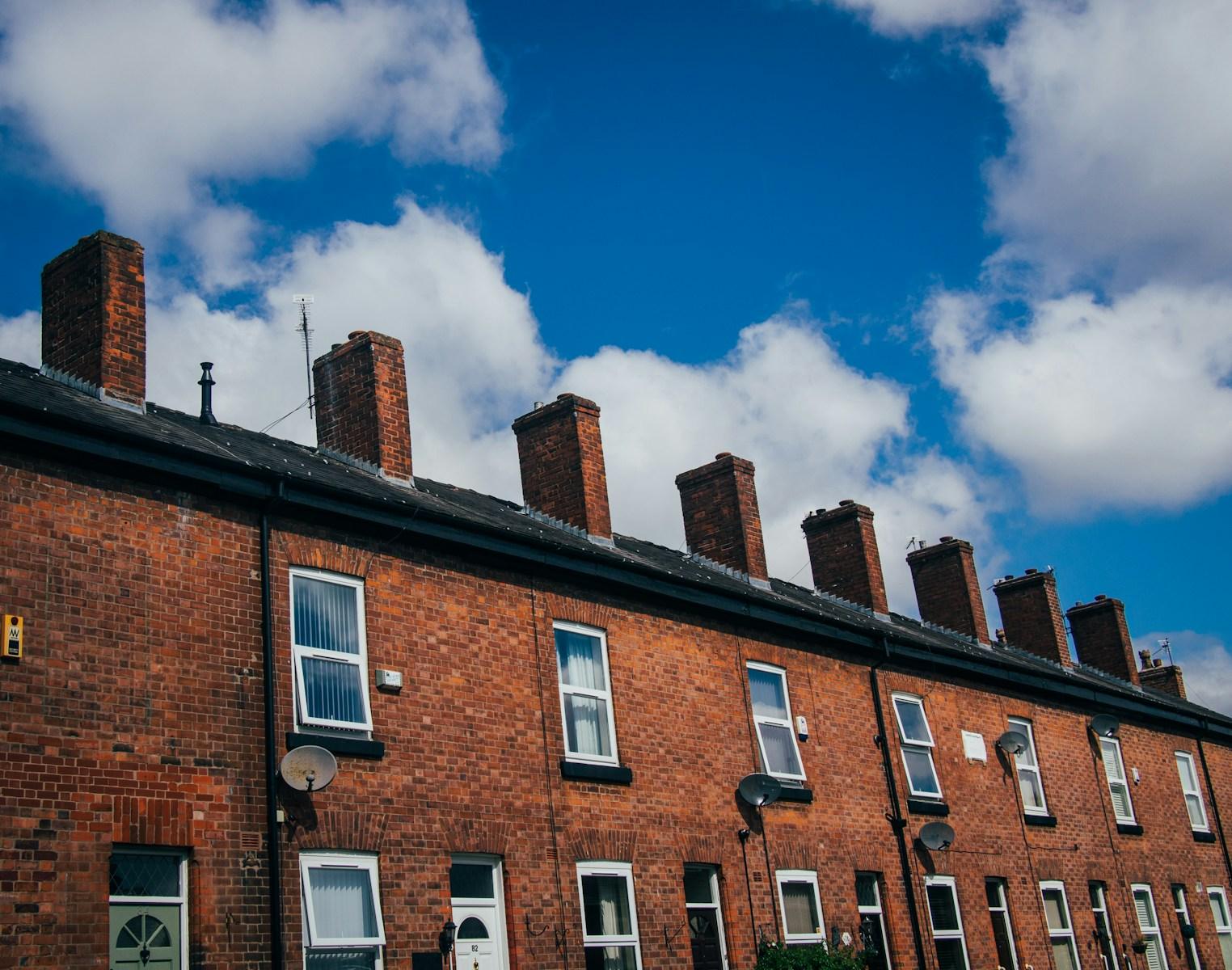
Bedminster and Southville: Bristol’s Victorian Terraces on Clay Soil
While Clifton deals with limestone and Bath handles World Heritage constraints, Bedminster and Southville face a different challenge: classic clay soil subsidence in Victorian terraced housing.
If you own property in Bedminster, Southville, Ashton, or Bower Ashton, your subsidence risks mirror Essex and Kent more than Clifton.
Bedminster and Southville geology:
Mercia Mudstone: Clay-rich formation common in south Bristol. Shrinks when dry, swells when wet. Classic reactive clay behaviour.
Alluvial deposits: Areas near River Avon include alluvial soils and made ground. Variable, compressible materials.
Industrial heritage: Historic factories, wharves, and industry mean extensive made ground in some locations.
Victorian development: Rapid expansion 1850-1920 created thousands of terraced properties on minimal foundations.
Why these areas face clay subsidence:
Shallow foundations: Victorian terraces typically built on 600-800mm deep strip footings. Modern standards require 1 metre+ on clay.
Mature trees: Street trees and garden trees planted 50-100 years ago now extracting maximum water from clay soil.
Tree-lined streets: North Street, East Street, Dean Lane, Bedminster Parade—many feature London Plane or similar high-water-uptake species.
Climate stress: Hot, dry summers (2018, 2022, 2024) cause clay shrinkage. Victorian foundations weren’t designed for these extreme conditions.
Property types at highest risk:
Victorian terraces (1860-1900):
Most common property type. Two-up, two-down or three-storey with rear extensions. Bay windows concentrating stress. Shared party walls mean neighbour subsidence affects you.
Edwardian villas (1900-1920):
Semi-detached properties with larger gardens. Mature trees common. Slightly better foundations than earlier Victorian but still vulnerable.
Inter-war terraces (1920-1939):
Slightly improved construction standards but still on clay with minimal foundations.
Warning signs for Bedminster/Southville properties:
Summer subsidence symptoms:
Doors sticking July-September after dry weather. Diagonal cracks in external brickwork appearing or widening. Windows jamming in frames. Bay windows showing stress cracks.
Pattern recognition:
Multiple properties on your street showing similar issues? Indicates ground conditions rather than individual building problems. Clay soil affects entire areas.
Tree-adjacent properties:
Homes within 10 metres of large street trees or garden oaks/willows show symptoms first and worst.
The terraced property complication:
Shared party walls mean:
– Neighbour subsidence creates stress on your property
– Your subsidence affects neighbours
– Insurance claims often affect multiple properties
– Remedial work may require neighbour cooperation
If your neighbour in a Southville or Bedminster terrace reports subsidence, inspect your property thoroughly.
What Bedminster/Southville homeowners should do:
Annual inspection routine:
– Photograph internal and external walls (April and October)
– Test all doors and windows for smooth operation
– Check for new cracks or widening of existing cracks
– Examine external brickwork after dry summers
Tree assessment:
What species are nearby? How close? Oak, willow, poplar within 15 metres need professional evaluation (£200-400).
Drainage maintenance:
Clay soil needs excellent drainage. Clear gutters twice yearly minimum. Check downpipes discharge 2+ metres from property. Maintain ground drainage.
Crack monitoring:
Mark crack ends with pencil and date. Measure width monthly. Photograph with ruler for scale. After 6-12 months, you’ll know if cracks are stable or progressing.
Insurance considerations:
South Bristol postcodes (BS3) seeing increased subsidence claims. Insurers responding with:
– Higher premiums
– Larger excesses (£1,500-2,000 typical)
– More detailed underwriting questions
– Occasional refusals for highest-risk properties
Shop around annually. Specialist brokers often find better terms than direct insurers.
The cost reality:
Monitoring: £1,500-3,000 over 12 months
Minor repairs: £2,000-5,000 (crack repairs, lintel replacement)
Underpinning: £10,000-30,000 for typical terrace
Full structural repairs: £15,000-50,000 for major subsidence
Early detection and maintenance prevent worst-case scenarios.
The community aspect:
Bedminster and Southville have strong community networks. Talk to neighbours about their experiences. Street WhatsApp groups often share information about subsidence, tree issues, and recommended contractors.
If multiple properties on your street face similar issues, collective action on problematic street trees or drainage improvements may be possible through council engagement.
Property values and subsidence:
Bedminster and Southville property values have increased significantly (£250,000-450,000+ for typical terraces). Strong rental demand and proximity to city centre drive prices.
Disclosed, repaired subsidence typically creates 5-10% price reduction. But properties with excellent documentation and proven stability can achieve near-market rates.
South Bristol’s Victorian terraces weren’t built for 21st-century climate. But with knowledge, monitoring, and maintenance, they’ll last another century.
#BedminsterBristol #SouthvillProperty #BristolTerraces #VictorianProperty #BS3Property #BristolHomes
Need Help With Subsidence?
If you're experiencing subsidence issues in your property, our approved specialists can help with surveys, repairs, and insurance claims.
Book a Free Survey