
Sloping or Uneven Floors: Is It Subsidence?
Understanding why your floors are sloping and when it indicates subsidence in Southern England properties
Have you noticed that furniture won't sit level, balls roll across the floor, or there's a noticeable slope when you walk through your home? Sloping floors can be a normal characteristic of older properties, but they can also indicate serious structural movement or subsidence - especially in Southern England's Victorian and Edwardian housing stock.
When Sloping Floors Indicate Subsidence
Be concerned about subsidence if:
- •The slope has developed suddenly or gotten worse recently
- •Floor is sloping towards one corner or wall (not centered)
- •You can see gaps between the floor and skirting boards
- •Doors won't close properly and are sticking in frames
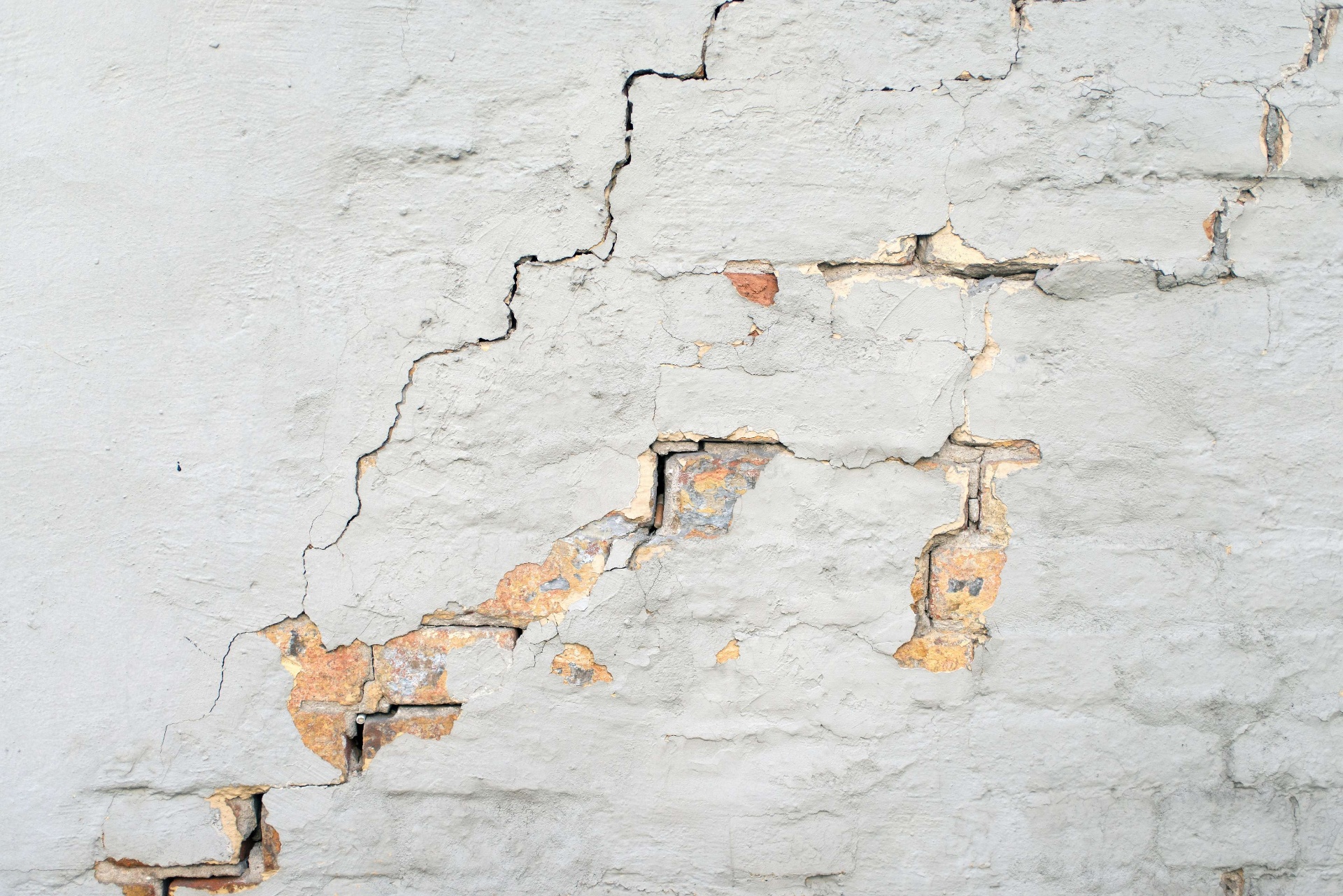
- •There are diagonal cracks in walls, especially near the sloping area
Different Types of Sloping Floors
Progressive Slope (Serious - Likely Subsidence)
Characteristics: Floor that slopes noticeably towards one corner or wall. May have developed over months or years, or worsened recently.
What it feels like: Walking across the room, you feel like you're going downhill. Objects roll in one direction. Very noticeable lean.
Cause: Usually foundation movement from subsidence - one corner of the building has dropped. Common in properties with shallow foundations on clay soil, especially after dry summers.
Action needed: Structural engineer survey required urgently. This indicates active foundation movement.
General Sag (Common in Old Properties)
Characteristics: Floor dips slightly towards the middle of the room, or has a gentle undulation. Has been there for years without getting worse.
What it feels like: Subtle unevenness. You might notice it when putting furniture down, but it's not a dramatic slope.
Cause: Very common in Victorian and pre-war houses. Usually caused by: old timber joists deflecting under weight, or historic settlement that has long since stabilized.
Action needed: If stable (not getting worse), generally not a concern. Monitor for changes. Many period properties have some character slope.
Bouncy or Springy Floors (Different Issue)
Characteristics: Floor feels bouncy when you walk on it, or vibrates when someone walks across it.
Cause: Usually weak or undersized floor joists, or deteriorated timber. Not typically subsidence-related.
Action needed: Structural survey of floor joists and timbers. May need strengthening but different from subsidence.
How to Check If Your Floor Is Sloping
The Spirit Level Test
- 1.Place a long spirit level (1m or longer) on the floor in multiple locations
- 2.Check in different directions - across the room and along it
- 3.Note how far out of level it is - small amounts (5-10mm over 3m) are common in old houses
- 4.Slopes greater than 15-20mm over 3 meters warrant investigation
The Marble Test
Place a marble or ball on the floor. If it rolls consistently in one direction across multiple rooms, this suggests structural slope rather than just floor unevenness.
Visual Checks
- •Look at skirting boards - gaps between floor and skirting?
- •Check door frames - are they still vertical with a spirit level?
- •Look at external walls from outside - any visible lean or bulge?
- •Check for cracks in walls, especially diagonal ones
What Causes Floors to Slope in Southern England Properties?
Subsidence-Related Causes
- ⚠ Clay soil shrinkage: Dry weather causes clay to shrink, foundations drop
- ⚠ Tree roots: Large trees removing moisture from soil near foundations
- ⚠ Leaking drains: Water washing away soil beneath foundations
- ⚠ Historic workings: Historic chalk workings or other voids (relevant in some areas)
Other Structural Causes
- • Historic settlement: Old movement that has stabilized
- • Timber deflection: Floor joists sagging under weight over decades
- • Timber decay: Rot or beetle damage weakening floor structure
- • Alterations: Walls removed without proper support added
When Should You Be Concerned?
Definitely Get a Survey If:
- ✓The slope has appeared or worsened in the last 1-2 years
- ✓It got worse after a particularly dry summer
- ✓There are also cracks in walls (especially diagonal ones)
- ✓Doors and windows are sticking or won't close
- ✓The slope is greater than 20mm over 3 meters
- ✓You're planning to sell (buyers' surveyors will flag it)
Probably Okay If:
- ○It's a Victorian/pre-war house and the slope has been there for decades
- ○No cracks or other signs of movement
- ○Previous surveys have noted it as historic settlement
- ○The slope is less than 15mm over 3 meters
Why Sloping Floors Are Common in Southern England
Southern England has a perfect storm of factors that cause floor slopes:
- • Old housing stock: Much of Southern England's housing is Victorian or Edwardian, built with shallow foundations (often less than 1m deep). Modern standards require much deeper foundations.
- • Clay soil: London Clay, Wealden clays, and Thames Valley formations dominate Southern England. They shrink significantly when dry and swell when wet, causing foundations to move.
- • Mature trees: Tree-lined streets across Southern England are beautiful but the mature trees draw huge amounts of water from clay soil, particularly in areas like Sevenoaks, Tunbridge Wells, and Guildford.
- • Climate change: Recent hot, dry summers cause more severe clay shrinkage than historically seen.
Concerned About Sloping Floors?
Don't risk your property's value or safety. Get a professional structural assessment from engineers experienced with Southern England's housing stock and soil conditions.